Mechanisms of spillover
Zoonotic and wildlife diseases are emerging and represent a major threat to human health and biodiversity. My research explores drivers of disease amplification across species and ecosystem boundaries. In Madagascar, I have found that deforestation reduced endemic species diversity and increased the proportion of invasive species. Specifically, I am finding that forest-dwelling ticks are switching to feed on invasive rats, which act as a transportation service, carrying pathogens into agricultural land. In the Amazon basin, we found that deforestation and increasing human proximity to the forest are leading to the re-emergence of human cases of Yellow Fever in Brazil, Peru, and Colombia.

Mitigation to prevent the spill
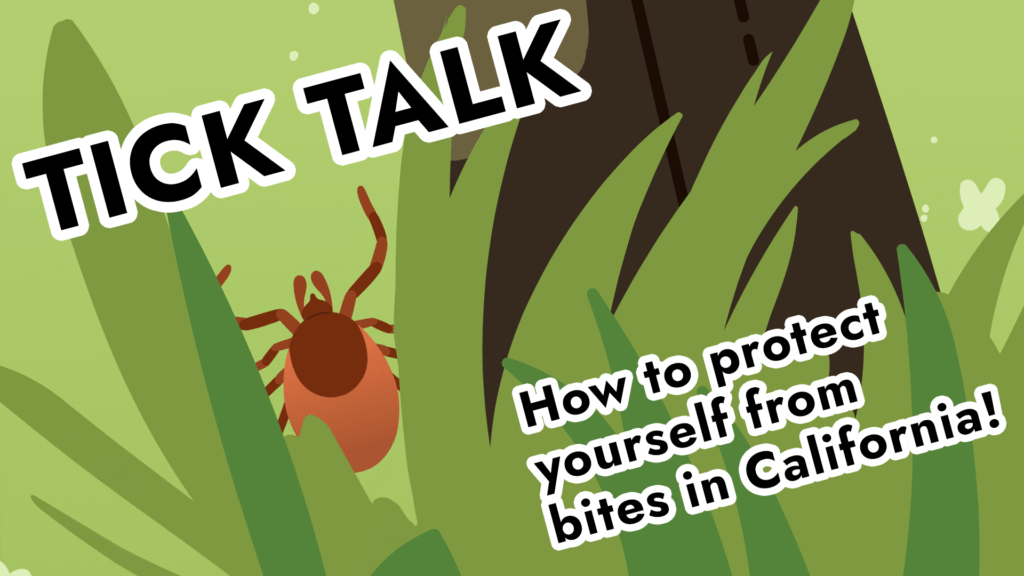
For a disease to cross a species or ecosystem boundary, it must pass a series of barriers at various scales. Strategic ecological interventions can reduce or prevent pathogen transmission. I am currently using simulation models to test strategies for invasive species removal to prevent disease amplification in CA native frogs. For zoonotic diseases, human behavior can determine spillover risk. In partnership with public health agencies, I tested the efficacy of an education campaign to prevent tick bites.
Host-parasite-pathogen interactions
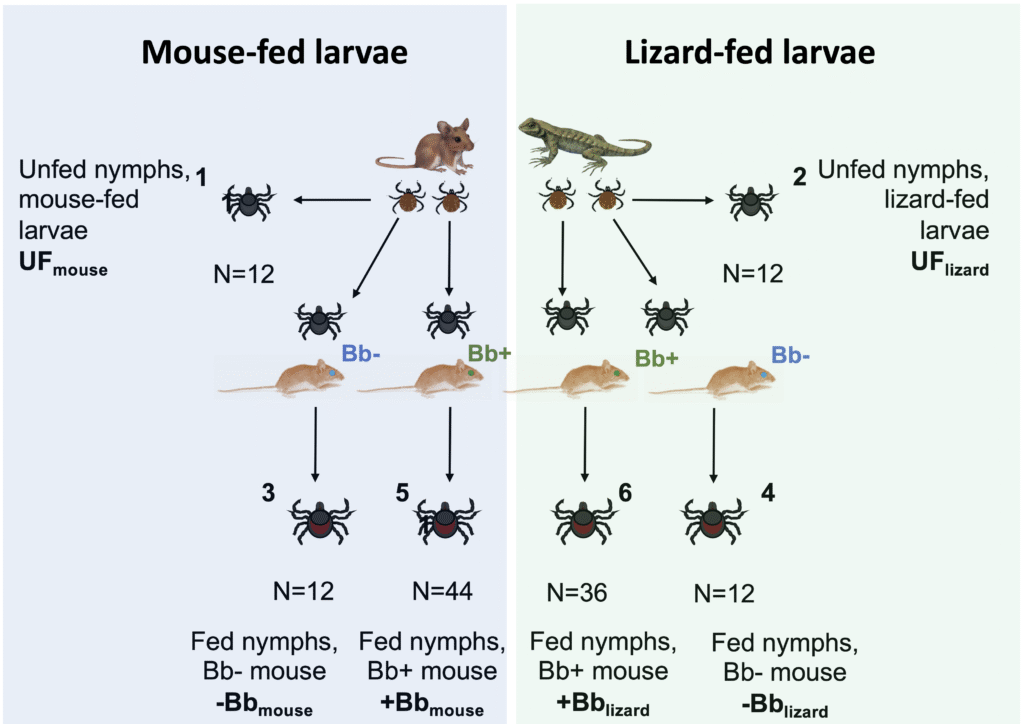
Changes in community composition have been shown to alter disease dynamics. This is because some hosts for disease are better at maintaining and spreading pathogens than others. In my master’s work, I found that a history of blood meal significantly alters a tick’s susceptibility, or vector competence, to the Lyme disease pathogen. This study shows just how complex disease ecology can be at each research scale!